

LOL Betting in Nigeria: Key Insights and Risks
🎮 Explore LOL betting in Nigeria: how it works, top platforms, legal landscape, risks like fraud, payment options, and tips for beginners to bet responsibly ✅
Edited By
Sophie Marshall
Esports betting is rapidly taking hold in Nigeria, riding on the back of a booming gaming community and wider internet access nationwide. Unlike traditional sports betting, esports betting involves wagering on competitive video gaming matches, where titles like League of Legends, Fortnite, Call of Duty, and FIFA dominate the scene.
Betting on esports usually works through online platforms where users can place bets on outcomes such as match winners, tournament champions, or even in-game events. Nigerian bettors often use local and international sites featuring payment options tailored for the Nigerian market, including bank transfers, USSD codes, and mobile wallets like OPay and PalmPay.

While esports betting opens exciting opportunities, it also carries risks linked to regulatory grey areas and match-fixing concerns.
Currently, Nigeria’s regulatory framework for esports betting remains underdeveloped compared to traditional sports betting. The National Lottery Regulatory Commission (NLRC) supervises most gambling activities but has not issued specific guidelines solely for esports. Consequently, players and operators often navigate a patchy legal environment with varying degrees of compliance and enforcement.
Understanding risks is crucial before joining the betting crowd. Issues like unlicensed platforms, data privacy breaches, and problem gambling are real challenges. Continuous education on safe betting practices is essential. For instance:
Always use licensed platforms with clear terms and conditions.
Set betting limits to avoid overspending.
Stay updated on the legitimacy of operators, especially new entrants.
Economically, esports betting carries potential for job creation and revenue growth. Betting firms contribute to the local economy through taxes and partnerships, while also supporting grassroots esports development across cities such as Lagos, Abuja, and Port Harcourt.
Looking ahead, experts predict stronger regulation, improved platform security, and broader adoption of mobile betting apps as key trends. The growing youth population and smartphone penetration suggest esports betting in Nigeria will develop into a vibrant sub-sector worthy of attention.
In summary, whether you’re a digital professional or a casual bettor, knowing how esports betting works, its risks, and the evolving rules helps you engage responsibly and benefit from this rising trend.
The rise of esports betting in Nigeria reflects a broader shift in how Nigerians engage with digital entertainment and wagering. Understanding this sector offers practical insights into both the fast-evolving gaming scene and its economic potential. This section lays the groundwork by explaining what esports betting entails, comparing it with traditional sports betting, and outlining the local popularity of esports. Grasping these basics is essential for anyone interested in participating or investing in the Nigerian esports betting market.
Esports betting means placing wagers on competitive video game matches or tournaments. Unlike casual gaming, it involves betting real money on outcomes like which player or team will win, the score margin, or specific in-game events. For example, punters might bet on who will score first in a FIFA match or which team will secure the most kills in a Dota 2 battle.
This form of betting taps into the excitement of esports, blending gaming with the thrill found in traditional sports betting. However, the ecosystem is digital-first, using online platforms and mobile apps to facilitate bets and payouts.
Difference from traditional sports betting lies mainly in the nature of the sport itself. Traditional sports betting covers physical activities like football, basketball, or athletics, which are predictable based on player statistics and historical performance. Esports, while competitive, can alter rapidly due to game updates, player strategies, and patch changes, making it more dynamic and sometimes harder to predict. Also, esports betting appeals mostly to younger, tech-savvy audiences who already participate in the gaming community.
Nigerian gaming communities have grown significantly, fuelled by increasing smartphone penetration and better internet access. These communities meet online through platforms such as Discord and Facebook gaming groups, organising tournaments and sharing betting strategies. Lagos and Abuja, in particular, have seen flourishing esports hubs where young Nigerians meet physically and virtually to compete and bet.
Several esports titles dominate locally due to their accessibility and established fan base. FIFA remains extremely popular, given Nigerians' love for football. Other games like League of Legends, Counter-Strike: Global Offensive (CS:GO), and Dota 2 also have sizeable followings. Recently, mobile-optimised games like PUBG Mobile and Call of Duty Mobile have surged in popularity because many Nigerians use smartphones instead of PCs or consoles.
Esports betting in Nigeria is not just about gambling; it’s a growing social and economic activity linked closely with the rise of digital culture and youth engagement. This sector’s growth signals opportunities for job creation, fintech innovation, and entertainment.
This overview prepares you to understand how esports betting fits into Nigeria’s broader digital economy and cultural trends, setting the stage for deeper insights into the market’s workings and regulations.
Understanding how esports betting operates in Nigeria is key for anyone interested in this growing market. The process involves selecting popular esports games, using reliable platforms to place bets, choosing the types of bets, and knowing how odds influence potential payouts. This section unpacks these elements, giving you a clear picture of what to expect and how to participate safely and confidently.
Among Nigerians who bet on esports, FIFA stands out because of its local popularity and the passion for football across the country. Betting on FIFA matches is straightforward since they mimic real-world football rules, making it easier for bettors to predict outcomes. Besides FIFA, titles like Dota 2 and CS:GO attract serious attention from bettors due to their complex gameplay and sizeable global tournaments, which offer numerous betting opportunities.
Locally, preferences are shifting too. While top-notch games remain dominant, emerging titles such as Mobile Legends and Call of Duty: Mobile gain traction, especially among younger players who prefer mobile gaming. These emerging games increase the variety for Nigerian bettors, who find fresh betting markets and sometimes better odds as these games establish their competitive scenes.

The choice of platform matters greatly. Licensed Nigerian betting sites like Bet9ja and NairaBet have integrated esports sections, ensuring bettors have legal protection and access to legitimate betting markets. These platforms regularly update odds and provide live betting, which makes the experience interactive and more engaging.
In terms of payment methods, options are well tailored for Nigerian users. USSD codes offer a simple way to fund accounts without internet access, ideal for bettors in areas with spotty data coverage. Bank transfers remain a common method for depositing larger sums, while mobile payment apps such as OPay and Paga offer convenience and speed. This flexibility ensures most Nigerians can participate in esports betting with ease.
Nigerian esports bettors frequently wager on match winners and tournament outcomes, which are straightforward and require predicting the overall victor. In-game events, like the number of kills or first blood in CS:GO, add extra layers to betting and attract those who follow the game closely.
Understanding odds is critical to manage expectations and potential returns. Odds in Nigerian esports betting sites often run in decimal format; for example, 2.5 indicates that a ₦1,000 bet will return ₦2,500 if successful. Knowing how to read odds helps bettors make better decisions and avoid surprises when winnings are paid out.
Successful esports betting hinges on understanding the games, trusting licensed platforms, and grasping the betting types and odds involved. Nigerian bettors who get these right improve their chances of making informed wagers and enjoying the experience.
This insight into how esports betting works equips you with knowledge to identify suitable games, use reliable platforms with local payment options, and grasp betting types and odds, all helping you navigate Nigeria's expanding esports betting scene effectively.
The legal and regulatory framework for esports betting plays a vital role in shaping the industry’s growth and integrity in Nigeria. Understanding these laws helps players, operators, and regulators navigate the market safely and ensures that betting activities comply with national standards. Without a defined legal environment, bettors risk dealing with fraudulent sites or unregulated platforms that offer little consumer protection.
Nigeria’s legal landscape for online betting, including esports, is primarily governed by the National Lottery Act 2005 and the Criminal Code Act. These laws set out the conditions under which betting activities are considered lawful, focusing on licensing, taxation, and operational compliance. For example, operators must avoid offering unlicensed betting services, as this violates Nigerian law and exposes players to potential loss without legal recourse.
As esports betting grows, the importance of distinguishing it from traditional gambling under the law becomes clearer. While specific regulations for esports are emerging globally, in Nigeria, esports betting currently falls under general online betting laws, creating a need for updates to reflect new market realities.
The National Lottery Regulatory Commission (NLRC) serves as the primary regulatory body overseeing betting and lottery activities in Nigeria, including esports betting. Its role includes issuing licences to compliant operators and monitoring their activities to enforce fair play and consumer protection.
For bettors, the NLRC’s oversight means increased trust in licensed platforms. The commission also ensures that operators pay necessary taxes and fees, contributing to Nigeria’s economy. The NLRC regularly updates its list of licensed operators, so bettors should check this resource to confirm platform legitimacy.
Operators seeking to offer esports betting legally in Nigeria must obtain licences from the NLRC. This process involves meeting strict criteria related to financial stability, security measures, and responsible betting practices. Licensed operators show they can protect customer funds, provide transparent odds, and avoid underhand practices.
For example, platforms like Bet9ja and NairaBet have secured licences, reinforcing their reputation as trustworthy services. Players should favour these platforms over unlicensed ones to avoid scams or sudden account closures.
Licensed esports betting operators in Nigeria must implement measures to protect consumers. This includes setting stake limits, providing clear terms and conditions, and offering secure payment methods. Operators are also encouraged to promote responsible betting, such as educating users about addiction risks and offering self-exclusion options.
Always verify that your chosen betting platform holds a valid licence from the NLRC and provides visible consumer protection policies. This vigilance safeguards your funds and ensures a fair betting environment.
In summary, Nigeria’s legal and regulatory environment for esports betting is gradually evolving to meet market needs. Players and operators that comply with these rules enjoy safer, more transparent betting experiences while contributing to the growth of this digital economy sector.
Navigating esports betting in Nigeria calls for an awareness of the risks involved and a commitment to responsible practices. The thrill of betting can quickly turn into financial injury or worse if caution is thrown to the wind. This section breaks down common pitfalls and shares actionable steps to bet safely.
Fraudulent sites and scams pose a serious threat to bettors, especially in a rapidly growing market like Nigeria's. Some unlicensed platforms might promise outrageous odds or bonuses but vanish with user funds or personal data. For example, a bettor depositing ₦50,000 into a suspicious site may find their account frozen or cash untraceable. These scams undermine trust and cause real financial harm.
Moreover, scammers often create fake websites mimicking popular betting platforms, tricking users into sharing banking or mobile payments details. This is why verifying a platform’s licensing and reputation before betting is critical. It is no exaggeration to say that falling into such fraud can disrupt personal finances and deter participation in esports betting.
Addiction and financial loss are risks Nigerian bettors must keep in mind. Esports’ fast pace and frequent matches can make continuous betting tempting. Without self-control, enthusiasts can chase losses or bet beyond their means. This behaviour often leads to mounting debt and emotional stress, sometimes affecting family wellbeing.
Consider a bettor who stakes ₦20,000 but increases their bets to recover earlier losses, eventually exhausting ₦100,000 or more. This pattern is familiar and damaging. Financial discipline and recognising warning signs of addiction help prevent such outcomes.
Setting budgets and limits remains the foundation of responsible esports betting. Before placing any bet, decide on a fixed amount you can afford to lose—say ₦5,000 monthly—and stick strictly to it. This prevents reckless spending during hot streaks or bad runs.
Using features like deposit limits offered by many betting platforms can reinforce budgeting efforts. Budgeting not only safeguards your finances but also keeps betting enjoyable without stress.
Verifying platform legitimacy is non-negotiable. Always check if a betting site holds a valid licence from relevant Nigerian authorities, such as the National Lottery Regulatory Commission. Reputable operators also provide clear terms, secure payment options, and customer service contacts.
You can look for online reviews from Nigerian players or community feedback on forums to gauge trustworthiness. Betting with licensed, transparent operators reduces the chance of fraud and ensures your winnings, if any, will be paid promptly.
Seeking help when needed is vital if you suspect your betting habits are getting out of hand. Organisations like the Nigerian Guild of Esports or health support groups offer counselling or financial advice for gambling addiction.
Talking openly with trusted friends or family can also lighten the burden. Ignoring red flags can worsen financial and mental health. Early intervention helps maintain control and keeps betting an enjoyable pastime, not a destructive habit.
Responsible betting is more than just guarding your money; it's about protecting your peace of mind and ensuring esports remains a source of fun and excitement rather than harm.
The rapid rise of esports betting in Nigeria reflects more than just a shift in gaming culture; it signals meaningful economic opportunities and challenges ahead. Understanding future trends and the impact on the local economy helps players, operators, and regulators align expectations and prepare for sustainable growth. This section highlights key drivers like internet access, fintech innovations, job creation, and government revenues tied to this burgeoning sector.
Internet penetration in Nigeria has grown steadily over the last decade, reaching over 50% of the population in 2024. Coupled with widespread smartphone adoption, more Nigerians can now access esports platforms and betting services anytime, anywhere. This connectivity expands the potential audience for esports betting beyond Lagos and Abuja, reaching smaller cities and even rural areas with improving digital infrastructure.
For instance, mobile data packages from major telecoms like MTN and Airtel have become more affordable, allowing young Nigerians frequenting cybercafés or using personal devices to engage with esports content and betting. This trend broadens the player base and drives competition among betting platform providers to offer accessible, user-friendly services.
On top of that, Nigerian fintech companies have tailored payment solutions that fit local usage patterns and financial habits. Services like Paystack, Flutterwave, OPay, and PalmPay have integrated with many esports betting sites, simplifying deposits and withdrawals via mobile wallets, bank transfers, and USSD codes.
Such fintech expansion reduces barriers to betting, especially for those without traditional bank accounts. It also minimizes the friction of currency conversions and transfer delays common with international platforms. In practical terms, a player in Jos can seamlessly fund a betting account on a Nigerian-licensed site and receive winnings in naira within minutes, encouraging wider adoption.
The growth of esports betting stimulates job opportunities at several levels. For starters, tech-related roles such as platform developers, data analysts, and cybersecurity experts are in greater demand. Local content creators and influencers are also carving niches around esports events, attracting sponsorship and advertising revenue.
Besides tech, the entertainment sector benefits through event organisers, broadcasters, commentators, and marketers focusing on esports tournaments tied to betting activities. This diversification adds to Nigeria's creative economy and helps absorb unemployment among youths with digital skills.
Job creation in niche areas around esports betting shows that this industry is more than just online gambling; it fosters an ecosystem of digital careers and businesses.
On the revenue front, government agencies collect taxes and licensing fees from licensed betting companies. These contributions can fund infrastructure and social projects if managed transparently. For example, the National Lottery Regulatory Commission earns from operator licences, while the Federal Inland Revenue Service (FIRS) taxes earnings accordingly.
This fiscal inflow creates incentives for regulators to tighten oversight and ensure compliant operators flourish. However, such benefits depend on effective governance to avoid leakages and ensure revenues support economic development instead of lining pockets through corruption.
Overall, the esports betting industry in Nigeria holds considerable promise economically. But this depends on maintaining fair regulation, expanding internet and fintech infrastructure, and leveraging the sector's capacity to generate jobs and government revenue.
🎮 Explore LOL betting in Nigeria: how it works, top platforms, legal landscape, risks like fraud, payment options, and tips for beginners to bet responsibly ✅
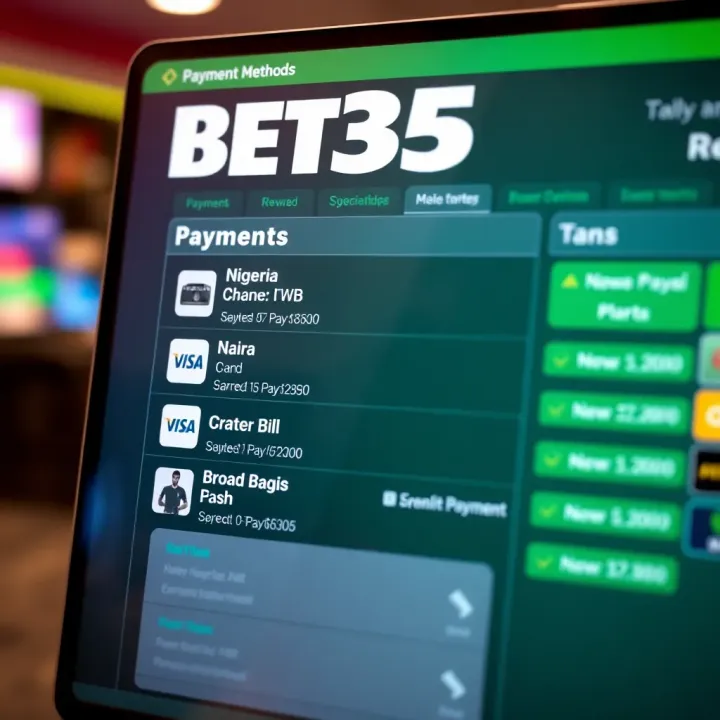
Explore Bet365 Nigeria: how to register, bet on sports, use ₦-friendly payments, and enjoy secure support for a smooth online betting experience ⚽💰📱.
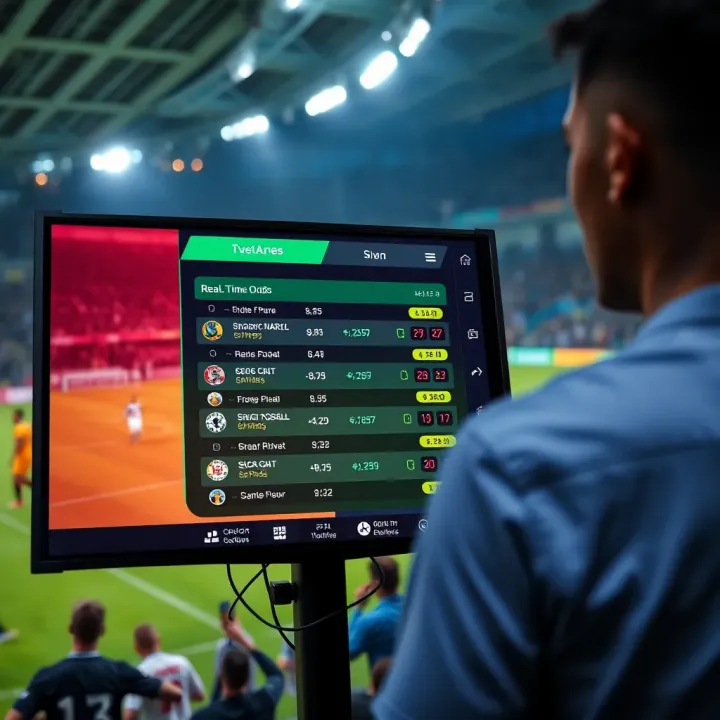
⏱️ Understand how live football betting on Bet365 works in Nigeria! Get tips to tackle internet and odds changes, maximise your ₦ winnings, and bet responsibly ⚽💰

Compare 22Bet and Bet365 betting features, sports markets, naira payments, and mobile apps. Find out which suits Nigerian bettors best ⚽💰📱
Based on 15 reviews